David Moe Joins PTS as Visiting Assistant Professor of World Christianity and Public Theology
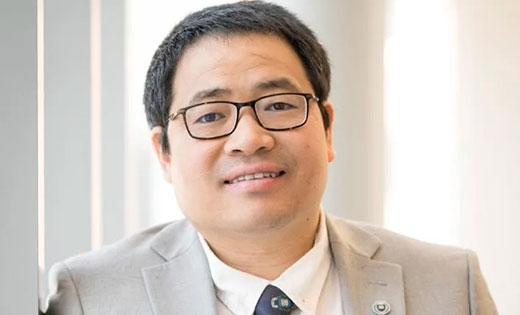 Dr. David Thang Moe has joined Pittsburgh Theological Seminary as visiting assistant professor of world Christianity and public theology, effective Aug. 15, 2026. Dr. Moe comes to PTS from Yale University, where he had been a Henry Rice postdoctoral associate and lecturer in religion and Southeast Asian studies teaching courses related to religion, conflict, resistance, and reconciliation.
A scholar of world Christianity and public theology, Dr. Moe’s areas of expertise include public theology, ethnic reconciliation, intercultural hermeneutics, Christian-Buddhist engagement, religion and nationalism, and missional leadership. Drawing on firsthand experience as a pastor serving multiethnic diasporic communities amid ethnic conflict and civil war in Myanmar, Dr. Moe’s scholarship explores how Christian faith is lived and articulated across cultural, religious, political, and social contexts, with particular attention to Southeast Asia and its global diasporas. He has given lectures on public theology, peacebuilding, nationalism, resistance, and related topics at leading global institutions, including Harvard University, MIT, Columbia University, University of Oxford, University of Cambridge, the University of Toronto, the Chinese University of Hong Kong, the National University of Singapore, the Australian National University, and others. He holds a Ph.D. in intercultural and historical-theological studies from Asbury Theological Seminary and additional degrees from Union Presbyterian Seminary (M.Th.), Luther Seminary (M.Th.), Sabah Theological Seminary (M.Div.), Pakokku University (B.A.), and Tahan Theological College (B.Th.).
Dr. Moe is the author of Beyond the Academy: Lived Asian Public Theology of Religions (Wipf & Stock, 2024) and of more than 70 scholarly articles appearing in publications such as International Journal of Public Theology, Asia Journal of Theology, Irish Theological Quarterly, Currents in Theology and Mission, Missiology: An International Review, Journal of Pentecostal Theology, and others. In addition to his academic works, Dr. Moe has published additional public commentary in Harvard Political Review, Yale Daily News, The Straits Times, VOA, and Christianity Today, among others, and has engaged in international public advocacy with representatives of the U.S. government, United Nations, and others. A Presbyterian minister, he co-chairs the Religion in Southeast Asia Unit of the American Academy of Religion and serves on the editorial teams of the International Journal of Public Theology, Independent Journal of Burmese Scholarship, Interreligious Studies and Intercultural Theology, and other academic journals.
“I am deeply honored and humbled to join the PTS community,” Dr. Moe says. “PTS’s enduring commitment to equipping generations of scholars and church leaders has long inspired me, and I look forward to contributing to this rich legacy by fostering interdisciplinary conversations on World Christianity, public theology, nationalism, ethnic conflict and reconciliation, missional leadership, and intercultural and interreligious engagement, while mentoring the next generation of scholars, global faith leaders, and public practitioners. Together with colleagues and students, I look forward to exploring how theology can creatively bridge the academy, church, society, and state in service of the common good amid the complexities of our pluralistic and divided world.”
“At PTS, we are rooted in a tradition that emphasizes the importance of both intellectual rigor and pastoral presence within one’s ministry context,” says the Rev. Dr. Angela Hancock, vice president for academic affairs and dean of faculty, “and the Seminary continues to emphasize this intersection today. David’s scholastic excellence informed by lived experience, and his prolific activity as a public scholar, exemplifies this tradition and bears witness to how fruitful bringing academic training into conversation with one’s lived experience can be. I’m delighted that he will be joining the Seminary’s faculty and will model that cohesion of lived and learned knowledge for our students.”