
KELSO MUSEUM OF NEAR EASTERN ARCHAEOLOGY has reopened
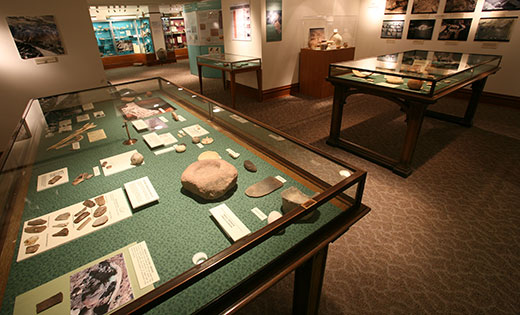 Pittsburgh Theological Seminary is pleased to announce that the Kelso Museum of Near Eastern Archaeology has reopened to the public, effective May 2026. Groups and individuals interested in exploring the Museum can tour the galleries from 9:00 a.m. to 5:00 p.m. on Tuesdays and Wednesdays or visit at other times by appointment (evening and daytime tours are available).
Rooted in an archaeological field program beginning in 1924, the Kelso Museum houses an extensive collection of artifacts that illuminate daily life in the ancient Near East, especially the Southern Levant, as well as the history of archaeology itself. The collection spans the Bronze Age and early Iron Age through the Classical era and into early Islamic times, including daily-use artifacts (such as farming implements, personal ornaments, household figurines, a game board, and even seeds), pottery sherds and intact ceramic vessels, inscriptions and writing implements, fragments of colored plaster, weapons, coins, and much more. Thematic exhibits cover ancient crafts, belief systems, archaeological excavation, and the emergence of the world’s first alphabet from earlier writing systems in Egypt and Mesopotamia. The Museum also houses original field notes and archaeological records from landmark excavations at Tell Beit Mirsim led by Drs. M. G. Kyle and W. F. Albright, from which the first reliable ceramic typology and chronology for the Southern Levant was derived. The Kelso Museum’s one-of-a-kind records and artifacts are valued by academic communities around the world; at the same time, the Museum has a long history of curating accessible educational experiences for the general public. Dr. Michael Danti, the Museum’s new director, is designing new exhibits and educational programs even as he continues to curate the Museum’s existing offerings.
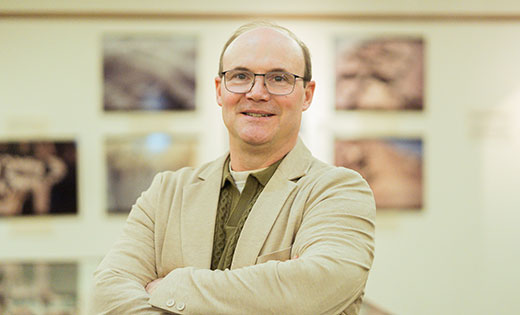 Dr. Danti is a scholar, advocate, and field archaeologist specializing in cultural heritage preservation. He has served as academic director of the Cultural Heritage Initiatives at the American Society of Overseas Research, program director of the Iraq Heritage Stabilization Program at the University of Pennsylvania, and in several other leadership roles in Near Eastern archaeology. Dr. Danti has spoken widely at civil, academic, and public venues about the importance of cultural heritage preservation and has authored numerous books, chapters, and articles on this and related topics. Regarding his directorship of the Kelso Museum, Dr. Danti says, “My work in archaeology has always been rooted in a deep respect for the communities and traditions that give meaning to the past, and I’m excited to continue that work in a place where scholarship, faith, and community come together so thoughtfully.”
A formal celebration of the Kelso Museum’s reopening will be held in the fall, coinciding with the Seminary’s first archaeology lecture of the academic year. In the meantime, PTS warmly invites visitors to experience all the Museum has to offer and looks forward to expanding the Kelso’s educational offerings in the years ahead.